When choosing between a thermal camera vs FPV camera for your drone, the most common mistake is treating them as interchangeable. They are not. They capture completely different types of information, serve different purposes, and are often used together on the same platform. This guide explains the difference and helps you decide which one — or both — your application actually requires.
1. Thermal Camera vs FPV Camera: The Core Difference
An FPV (First Person View) camera captures visible light — the same light the human eye sees. It produces a color or black-and-white image based on reflected light, exactly like a standard video camera.
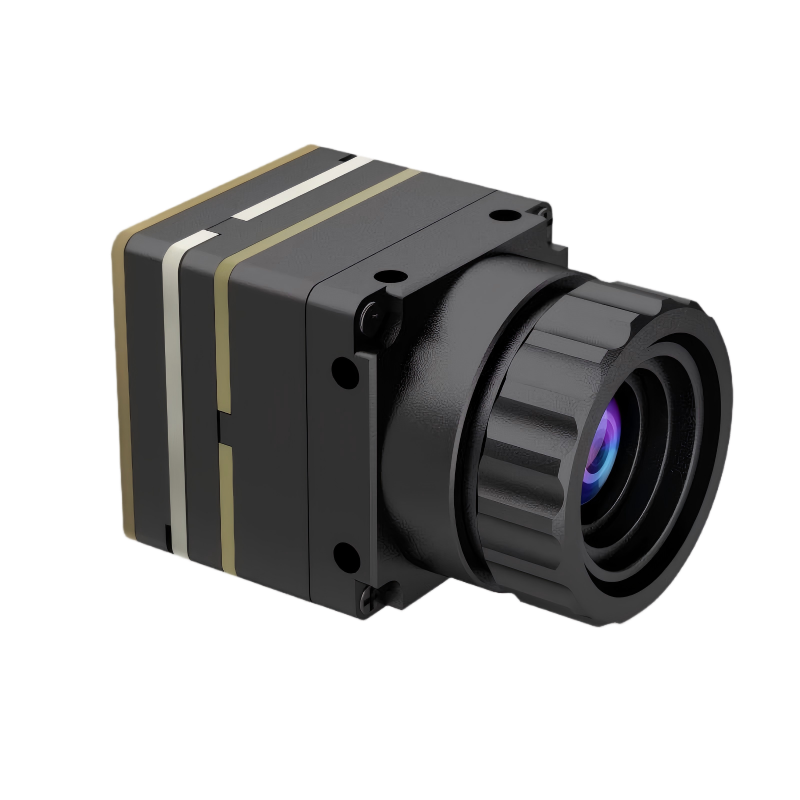
A thermal camera captures infrared radiation — heat emitted by objects. It produces an image based entirely on temperature differences, with no dependence on ambient light whatsoever.
This single distinction drives every other difference between the two technologies: performance in darkness, performance in fog or smoke, image resolution, weight, cost, and appropriate use cases. Understanding the thermal camera vs FPV camera distinction is the starting point for any professional drone payload decision.
One-line summary: FPV cameras see what you see. Thermal cameras see heat you cannot see.
2. What FPV Cameras Do — And Do Well
FPV cameras are the primary navigation tool on almost every commercial and professional drone. The pilot uses the FPV feed to fly the aircraft, avoid obstacles, and maintain situational awareness. They excel in daylight and well-lit conditions, producing high-resolution, high-detail imagery at very low latency.
Strengths of FPV cameras
- High resolution. Modern analog FPV cameras reach 1800TVL. Digital FPV systems offer 4K resolution. Far higher pixel density than any thermal module at equivalent cost.
- Color information. Useful for identifying objects, reading text, distinguishing terrain, and any task where color matters.
- Low latency. Analog FPV systems operate at under 10ms latency — essential for real-time piloting.
- Low cost. A professional-grade analog FPV camera costs a fraction of a thermal module.
- Wide compatibility. Any FPV camera with standard video output connects directly to any VTX transmitter and VRX receiver.
Limitations of FPV cameras
- Requires light. Performance degrades significantly in low light, and fails completely in total darkness (without IR illuminators).
- Cannot detect heat. A person hiding in bushes, a leaking pipe underground, or a failing electrical component are invisible to an FPV camera.
- Affected by weather. Fog, heavy rain, smoke, and haze all degrade image quality.
- Cannot see through obstructions. Foliage, thin materials, and visual camouflage defeat an FPV camera entirely.
3. What Thermal Cameras Do — And Do Well
Thermal cameras detect heat, not light. Every object above absolute zero emits infrared radiation in proportion to its temperature. A thermal sensor captures these emissions and converts them into a grayscale or false-color image representing temperature distribution.
The practical implication is significant: a thermal camera works equally well at midnight as at noon. It detects humans, animals, vehicles, and hot equipment regardless of lighting conditions, and partially penetrates light fog, smoke, and foliage.
Strengths of thermal cameras
- Total darkness operation. No ambient light required. A 640×512 thermal module produces the same image quality at night as in daylight.
- Detects hidden heat sources. People hiding in vegetation, leaking pipes, failing electrical components, and heat anomalies in building envelopes are all clearly visible.
- Long detection range. The AERVUE Thermal 640 detects people at 1,200m and vehicles at 2,650m — ranges no FPV camera can match for detection purposes.
- Penetrates light environmental interference. Light fog, smoke, and dust degrade thermal image quality less than visible-light cameras.
- Works in any lighting. Backlit scenes, bright sun glare, and harsh shadow — conditions that defeat FPV cameras — do not affect thermal performance.
Limitations of thermal cameras
- Lower resolution. Even a 640×512 thermal sensor has far fewer pixels than a standard FPV camera. Fine text, small objects, and detailed visual inspection are difficult.
- No color information. Thermal images show temperature contrast, not visual detail. Identifying objects requires interpretation.
- Higher cost. Thermal modules cost significantly more than equivalent FPV cameras.
- Cannot see through glass. Glass is opaque to long-wave infrared radiation — a significant limitation for certain inspection applications.
- Export control regulations. Thermal cameras above certain performance thresholds are dual-use items subject to export licensing requirements.
4. Thermal Camera vs FPV Camera: Side-by-Side Comparison
| Characteristic | FPV Camera | Thermal Camera |
|---|---|---|
| What it detects | Visible light (reflected) | Infrared radiation (emitted heat) |
| Works in darkness | No (requires light source) | Yes — fully independent of light |
| Works in smoke / fog | No | Partially (LWIR penetrates light fog) |
| Image resolution | Very high (1200–1800TVL analog) | Lower (256×192 to 640×512) |
| Color image | Yes | No (grayscale / false color) |
| Detects hidden heat | No | Yes |
| Long-range detection | Limited (visual detail degrades) | Yes (1,200m+ for people) |
| Latency | Very low (<10ms analog) | Higher (25–100ms typical) |
| Weight (typical module) | 15–30g | 22–60g |
| Relative cost | Low | High |
| Primary use | Piloting, navigation, visual inspection | Detection, surveillance, thermal inspection |
| Export restrictions | Generally unrestricted | Dual-use item — licensing may apply |
5. Scenario Guide: Which Camera Does Each Job?
The right camera depends entirely on your mission. In the thermal camera vs FPV camera decision, application context is everything. Here is a practical breakdown by use case:
6. Do You Need Both? The Dual-Payload Answer
For the majority of professional drone applications, the answer is yes — you need both. This is not a commercial recommendation; it is a functional reality.
The FPV camera handles the piloting task. Without a low-latency visible-light feed, safe navigation is extremely difficult, particularly in complex environments. The thermal camera handles the sensing task — detection, identification, and analysis of heat signatures that are invisible to the naked eye and to any visible-light camera.
The two cameras operate in parallel on most professional platforms. The pilot watches the FPV feed for navigation; the sensor operator monitors the thermal feed for the mission objective.
- Real-time piloting in any environment
- Visual inspection of structures and surfaces
- Color identification of targets or objects
- Racing, freestyle, cinematic work
- Low-cost payload for budget builds
- Night operations with no light source
- Detecting people, animals, or vehicles at range
- Heat anomaly detection (electrical, structural)
- Smoke, fog, or foliage penetration
- Search and rescue, security, industrial inspection
7. Cost Comparison
Cost is a significant factor when configuring a drone payload system. In any thermal camera vs FPV camera evaluation, the price gap is substantial, and it is worth understanding why.
| Category | FPV Camera | Thermal Camera Module |
|---|---|---|
| Entry-level | $15–$40 (S5, S7) | $300–$600 (Thermal 256) |
| Mid-range | $40–$80 (RATEL 2) | $600–$1,200 (Thermal 384) |
| Professional | $80–$150 (RATEL PRO+) | $1,200–$3,000+ (Thermal 640 / 640CA) |
| OEM MOQ | From 20 units | From 10 units |
The cost premium of thermal cameras reflects the complexity of the uncooled microbolometer sensor technology, tight manufacturing tolerances, and the calibration required to produce accurate temperature data. For OEM buyers, the economics improve significantly at volume — contact AERVUE for volume pricing on both FPV and thermal modules.
8. AERVUE Camera Lineup
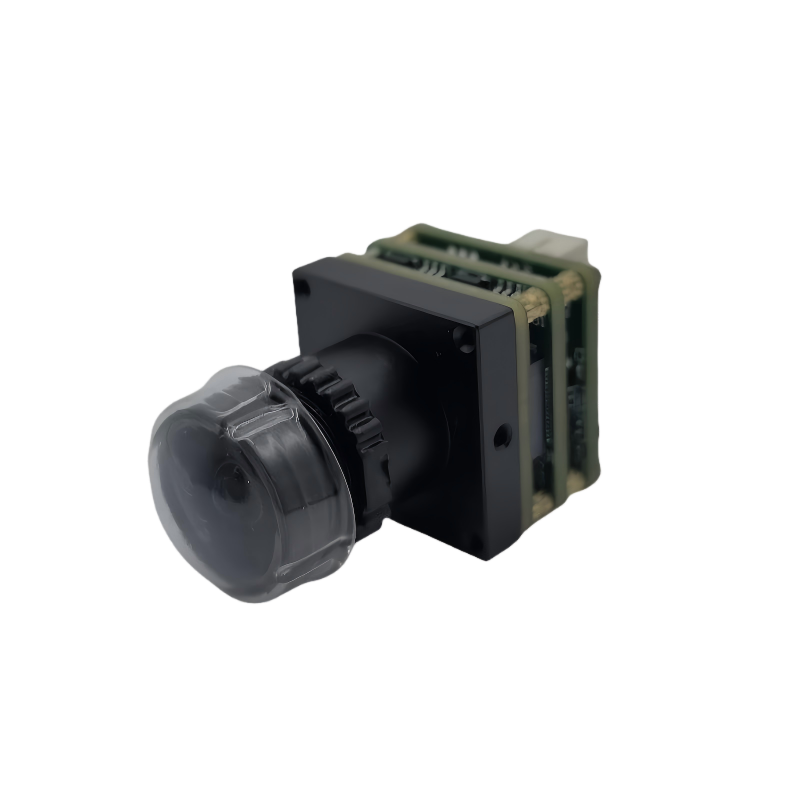
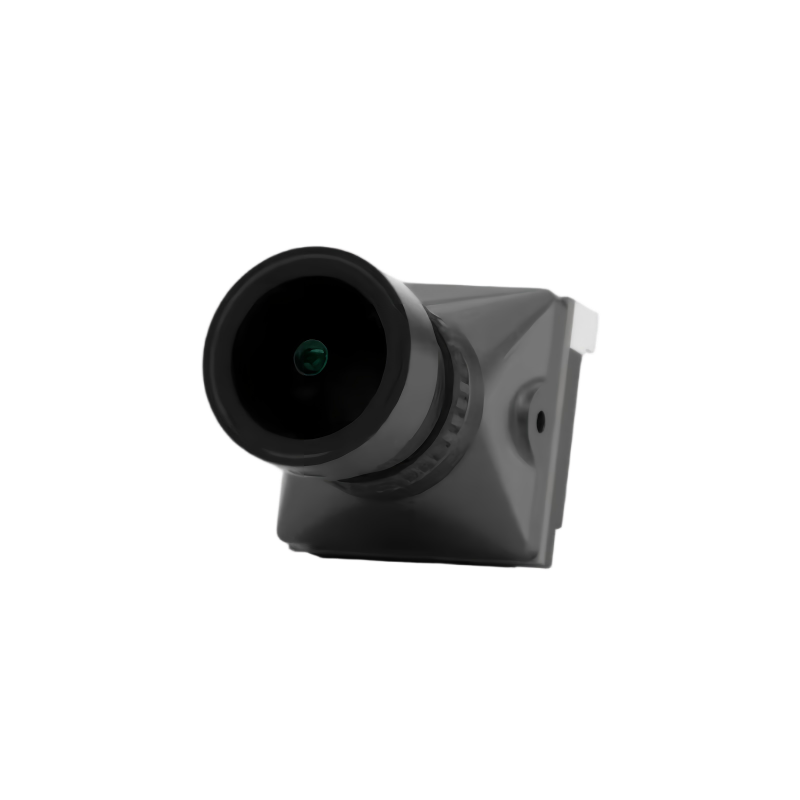
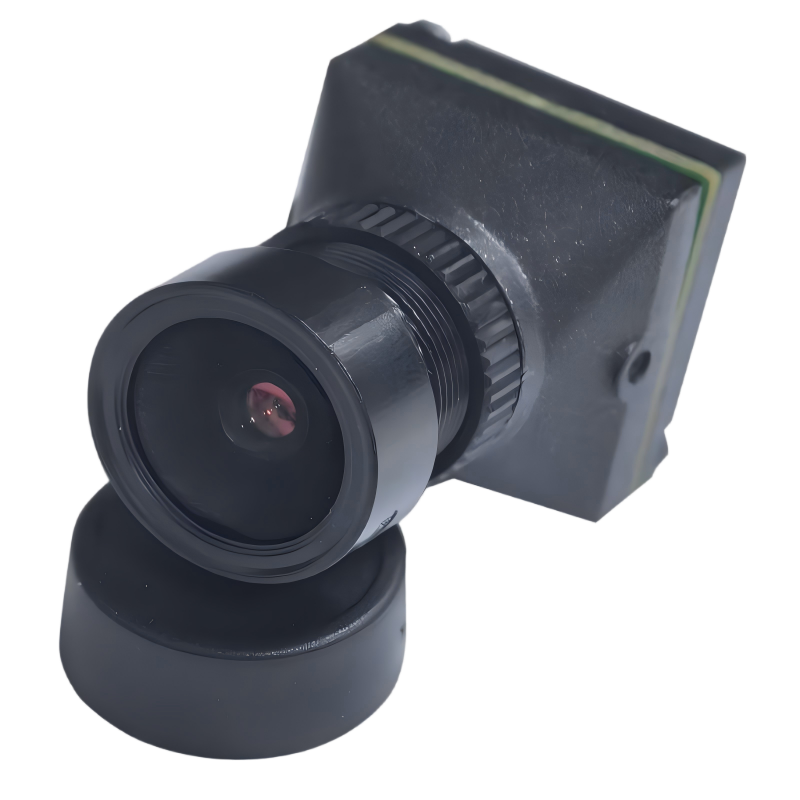
AERVUE supplies both FPV and thermal camera modules factory-direct, with OEM customization available across the full range.
FPV Cameras
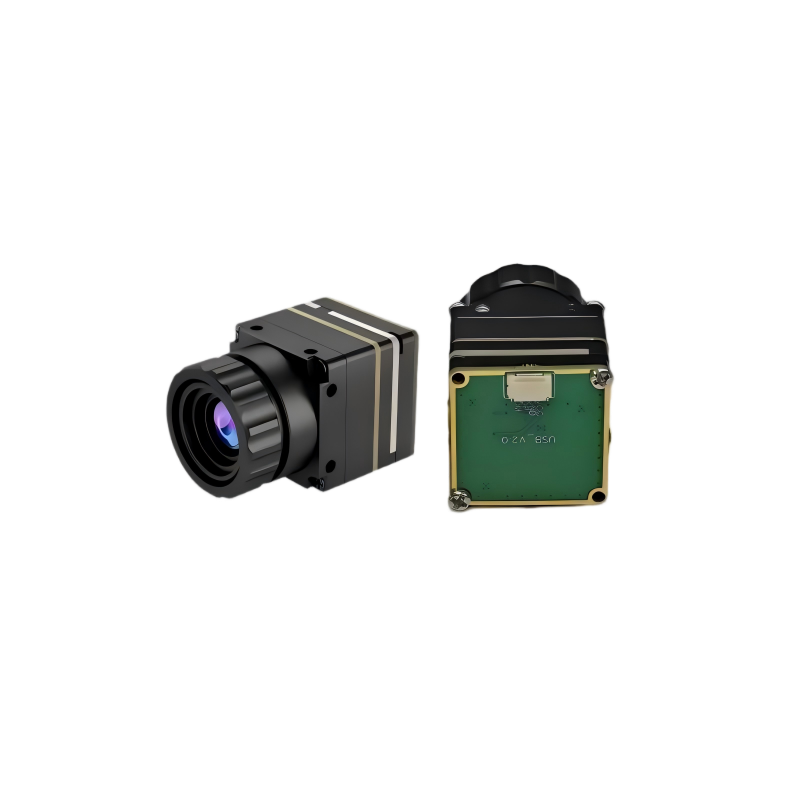
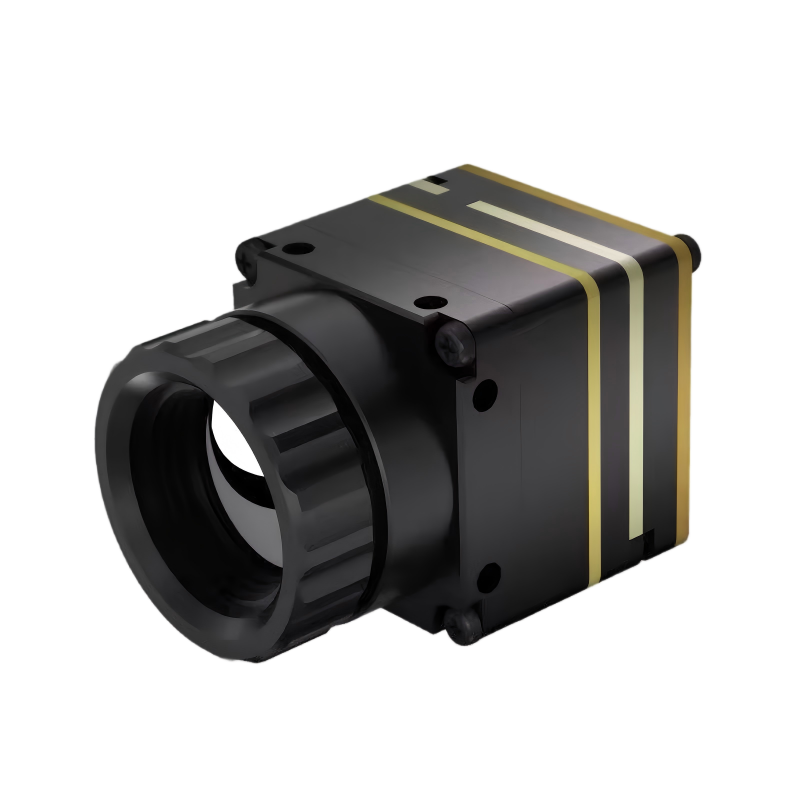
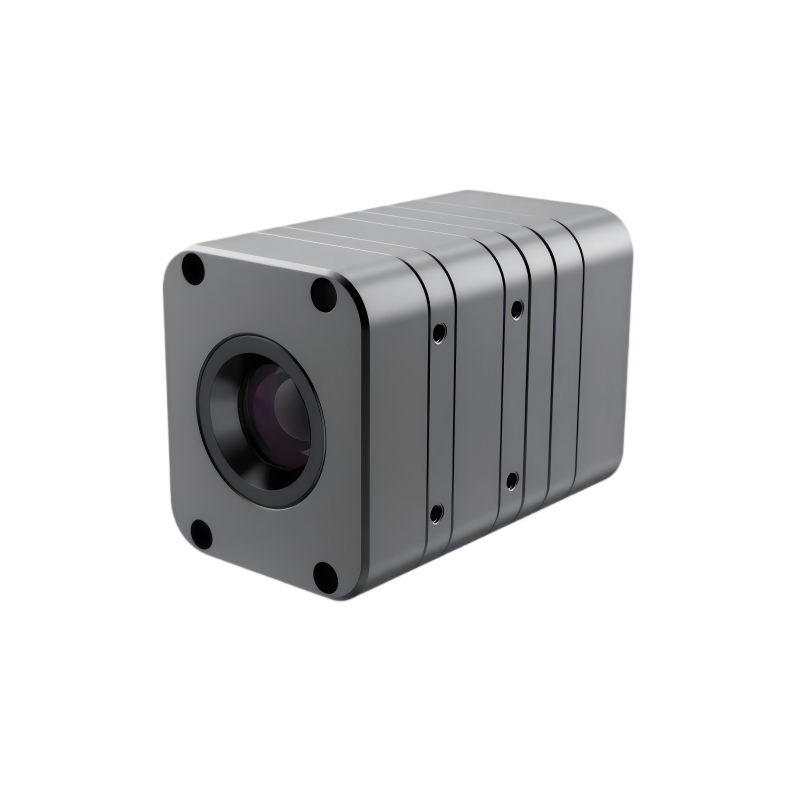
Thermal Cameras
9. Final Checklist: Thermal Camera vs FPV Camera — Which Do You Need?
- ✅ Racing or freestyle flying → FPV camera only. Low latency is non-negotiable.
- ✅ Daytime visual inspection → FPV camera. High resolution, color detail, low cost.
- ✅ Night operations → Thermal camera required. FPV cameras cannot operate in darkness.
- ✅ Search and rescue → Both. Thermal for detection, FPV for navigation and confirmation.
- ✅ Electrical or building inspection → Both. Thermal detects heat anomalies; FPV documents visual condition.
- ✅ Security and perimeter surveillance → Both. Thermal for 24/7 detection, FPV for identification.
- ✅ Agriculture → Both, depending on mission (FPV for scouting, thermal for stress analysis).
- ✅ OEM drone platform development → Plan for both from the start. Dual-payload architecture is the professional standard.
Conclusion
The thermal camera vs FPV camera question does not have a single answer — it depends entirely on your application. FPV cameras give your drone eyes for navigation, visual inspection, and any task requiring color detail and fine resolution. Thermal cameras give your drone the ability to see heat — detecting targets, anomalies, and signatures completely invisible to the human eye and to any visible-light camera.
For professional drone applications, the correct answer is almost always both. The question is which to prioritize for your primary mission, and which camera handles which role in your payload system.
AERVUE supplies both FPV and thermal camera modules factory-direct, with OEM customization available from low MOQ. Our engineering team can advise on camera selection, payload configuration, and system integration for your specific application.
Not sure which camera fits your platform?
Tell us your drone model, mission type, and payload budget. Our team responds within 24 hours with a specific product recommendation.